A Tale of Two Economies
2025-12-28
Once upon a time, companies hired people to build products and services that helped customers. Skilled workers designed, fixed, and improved things, and businesses grew because of their hard work.
Over time, these workers became very good at what they did. They asked for better pay and benefits, which raised company costs and lowered executive bonuses and profits. Executives didn’t like this, but they accepted it as part of running a business.
Public companies are expected to grow every year. If profits or stock prices stay flat, the company is seen as falling behind. Because of this pressure, executives focused on short-term gains instead of long-term health. They worked in short meetings and quick decisions, while skilled workers needed long quiet time to do deep work. This difference in working styles caused frustration on both sides.
Then the pandemic changed everything.
Offices closed, and many people worked from home. To their surprise, executives saw happier workers, higher productivity, and record profits. They liked the results.
But empty offices still cost money. Instead of cutting their own pay, executives looked for other ways to save. They cut products, services, and jobs. At first, profits went up a little. Then one company laid off a large number of workers and still made more money. Other companies followed.
Mass layoffs spread, and the human economy began to change.
Executives still needed work done, but they wanted cheaper options. Younger workers often lacked experience, so executives turned to artificial intelligence. AI was sold as fast, cheap, and powerful. Even though it made mistakes, executives believed it would get better.
They saw AI as a way to build products with fewer people and keep more profit. This marked the start of the AI economy.
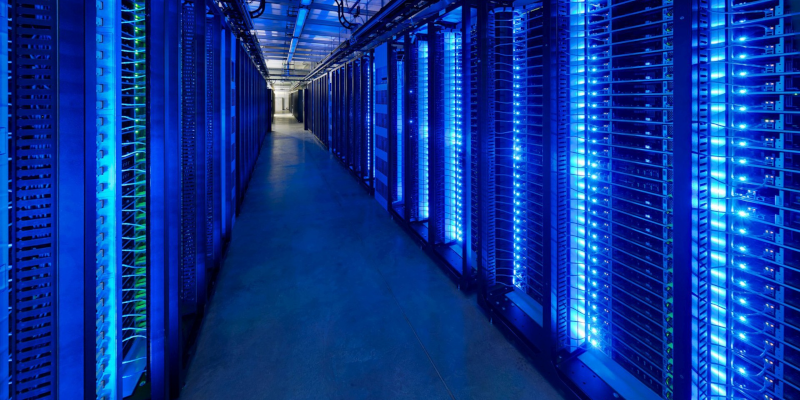
As more companies adopted AI, others joined out of fear of being left behind. AI companies grew quickly, building better tools and large data centers. Demand for AI rose fast.
Today, we are in the early stages of an AI-driven economy that is reshaping how work gets done.
Many companies have stopped hiring real people, but they still post job listings. These listings make them look like they are growing, help collect personal data, and can be used to train AI systems. At the same time, many people are out of work and struggling to get by.
For people who depend on the old, human-based economy, things may get harder before they get better. Most new job growth now supports the AI economy. These jobs usually fall into three areas: building AI, managing AI, and training AI.
AI still has limits, but it improves every day. To move forward, people may need to adapt by working with AI or choosing jobs AI cannot do yet, such as physical labor, cleaning, or food service.
However, even non-technology jobs are also very hard to get. Millions of people are competing for the same roles as they struggle to earn enough money to pay their bills.
The economy is changing. How we respond will shape what comes next.